
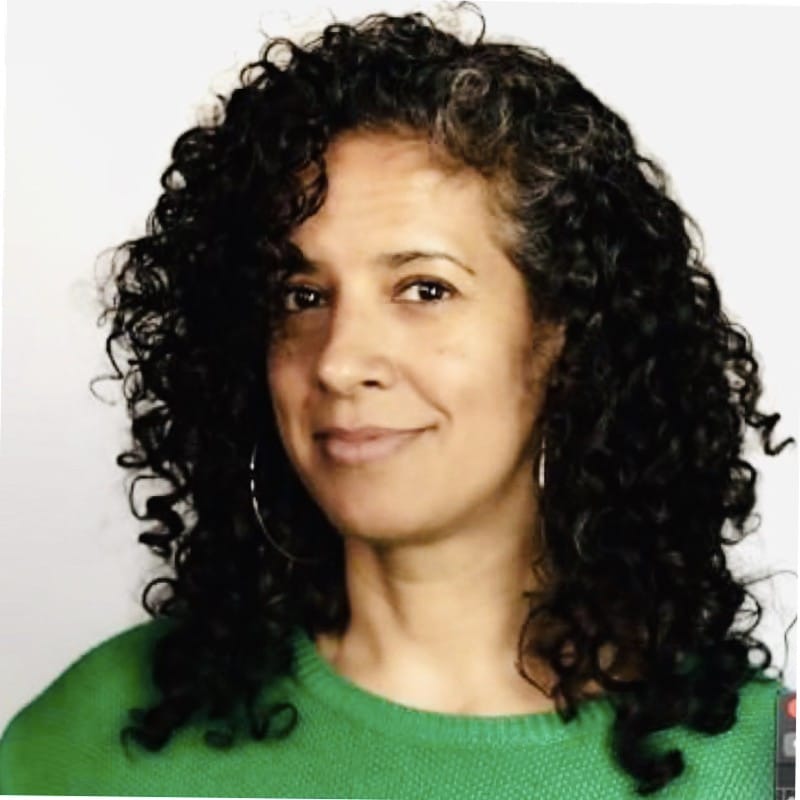
“My intersectionality is layered with a series of unspecific gifts and traumas that have made me the Queen that you know today.”
In today’s rapidly evolving landscape, the conversation around identity and intersectionality is pivotal, influencing leadership and shaping pathways to success for BIPOC (Black, Indigenous, and People of Color) leaders. This post delves into the unique perspective of Christine Scott, a seasoned leader who has navigated these complexities, turning personal experiences into powerful lessons. Join us as we explore valuable lessons on the power of embracing one's entire self in leadership.
Christine Scott
Personal Journey and Leadership
Can you share a bit about your journey and how your identity has influenced your career path and leadership style?
“This is such an interesting question for me to answer - I would say that historically it has been people reacting to my identity, or assigning me an identity that has influenced my career path. It was other people's perception of me as a woman of colour, as an "Other" that kept me from many opportunities I had earned 12X over. But today I recognize my identity as a wise, strong, and empathetic leader and that has pushed me into my power, making choices that serve me and my community. The hardest lesson I had to learn in my journey was to believe in myself, and to learn not to pay those other people "no mind".
The Role of Identity and Intersectionality
In what ways do you believe identity and intersectionality play a role in BIPOC leaders in today's society?
“The impact is HUGE for several reasons. BIPOC leaders have so few archetypes to model themselves after. As a result, so much of our effort goes into trailblazing and working through the visible and invisible bullshit designed to keep us from succeeding. Women of colour are not benefiting from feminism at the same rate as our white counterparts, we are perceived as threatening and negative, and even our sexuality is fetishized and exploited in boardrooms. Fighting these factors on a daily is exhausting but it has also acted like special forces training transforming us into an incredibly resilient, innovative, and unstoppable people.”
Intersectionality in Professional Decision-Making
Could you discuss a specific instance where understanding your intersectionality has enhanced your approach to decision-making?
“Building and leading successful and inclusive teams. I see people and their potential from outside of the lenses of the white-centric legacy criteria that guide most businesses. So when I assemble my people, I am assembling an arsenal of overlooked geniuses. I know this isn't a specific instance, but my intersectionality is layered with a series of unspecific gifts and traumas that have made me the Queen that you know today.”
Conversations on Identity within Leadership
How do you navigate conversations surrounding identity and intersectionality, both within your organization and in broader societal contexts?
“I am turning 50 this summer and so this comes with a bit of an "I'm too old to give a shit anymore" mindset - but I don't navigate. I speak, directly, and without apology. That doesn't mean I don't approach the conversation with empathy for the other parties and their starting points, but I refuse to center conversations that deal with my humanity and the humanity of other BIPOC employees around the discomfort of the listener.”
Advice to Young BIPOC Professionals
What advice would you offer to young BIPOC professionals striving to find their place?
“The best advice I would give young BIPOC professionals is this - you do not need to wait for people to hand you the microphone, make space for you at the table, or grant you opportunities. This space belongs to you as much as anyone else. Take up as much space as you would like. And if you don't find your place - create your own. Options are abundant in this world for you and you can choose them for yourself. DON'T SETTLE.”
As we reflect on the powerful insights shared by Christine, it becomes clear how crucial discussions on identity and intersectionality are not often had and how they can shape the future of leadership. We encourage you to consider your own experiences and engage in meaningful conversations within your networks to further these vital dialogues.

No Comments.